



Supplier governance is too informal or inconsistent.
Governance Entry Point
Keep procurement control alive after the project phase ends.
Intro
A lot of procurement work creates value once, then starts fading. Supplier reviews become irregular, contract visibility weakens, savings stay in forecast mode, actions slip, and governance slowly turns back into improvised follow-up.
The Governance Entry Point is designed to prevent that slide. It provides a recurring layer of procurement control as an outsourced capability: enough structure to keep supplier management, tracking and governance moving, without building a heavy internal machine too early.
The goal is continuity. Not a one-time sprint, but a stable monthly rhythm that helps procurement stay visible, actionable and scalable.
What this engagement helps solve
Contract coverage exists, but no one keeps it current.
Savings are discussed, but the tracking rhythm is weak.
Actions are visible for a week, then disappear.
The business needs procurement discipline without hiring a full team immediately.
Growth or post-implementation complexity is exposing the lack of operating rhythm.
What is typically included
- • Monthly Operating Rhythm: fixed calendar dedicated to comprehensive planning, performance tracking, commercial escalation management, and executive steering updates.
- • Supplier Relationship Management (SRM): scalable, multi-tiered protocols to govern partner relationships based on verified strategic business relevance.
- • Supplier Registry Maintenance: continuous optimization of the master supplier list utilizing advanced tiering, criticality thresholds, clear internal ownership, and risk flags.
- • Scorecard Analytics: monthly aggregation and synthesis of supplier performance data sheets to trigger and deploy localized corrective actions.
- • Central Contract Registry: proactive monitoring of contract expiration timelines, operational notice periods, and commercial risk variables.
- • Coverage Gap Mapping: systematic identification of supply areas lacking formal frame agreements paired with a structured compliance realignment backlog.
- • Savings Tracking Governance: operational leadership over the core cost-monitoring infrastructure and the incoming procurement initiative pipeline.
- • Value Lifecycle Reconciliation: periodical audit and alignment to benchmark estimated savings (forecast) against finalized terms (recognized) and bottom-line impact (realized).
- • Policy & Process Guardianship: continuous maintenance of the procurement operating model, focusing strictly on authorization thresholds, spending rights, and exception protocols.
Typical deliverables
Monthly Dashboard Pack
A recurring pack showing supplier scorecard summary, actions, risks, savings status and decisions needed.
Updated Supplier List
A maintained supplier view with tiering, criticality, risk flags and ownership.
Updated Contract Register
A practical register covering renewals, notice periods, key clauses, risk flags and backlog items.
Action Log
A visible list of open actions, owners, due dates and escalations.
QBR Pack for Tier-1 Suppliers
Where included, a quarterly review pack with KPI trends, corrective actions and governance discussion points.
Savings Tracking View
A recurring review of forecast, recognized and realized status, with deltas and evidence logic where applicable.
When this is relevant
Governance entry point becomes valuable when procurement no longer needs only a project, but a rhythm.
It is especially relevant after an implementation effort, when the business wants to avoid regression and keep supplier discipline, contract visibility and savings follow-through alive.
It also makes sense when a company has procurement needs that are real and recurring, but not yet large enough to justify a full internal structure.
Minimum inputs
The starting point does not need a perfect system to begin, but it does need a minimum level of recurring access and ownership.
In most cases, that means internal owners who actually attend the cadence, access to contract files or at least an agreement list, monthly AP or PO updates or operational KPI signals, and enough continuity in the data to avoid rebuilding the same picture from zero each month.
If KPI coverage is weak, the Governance entry point can still start with qualitative status and action tracking. If savings tracking is included, evidence sources and review cadence need to be agreed from the start.
How the work is approached
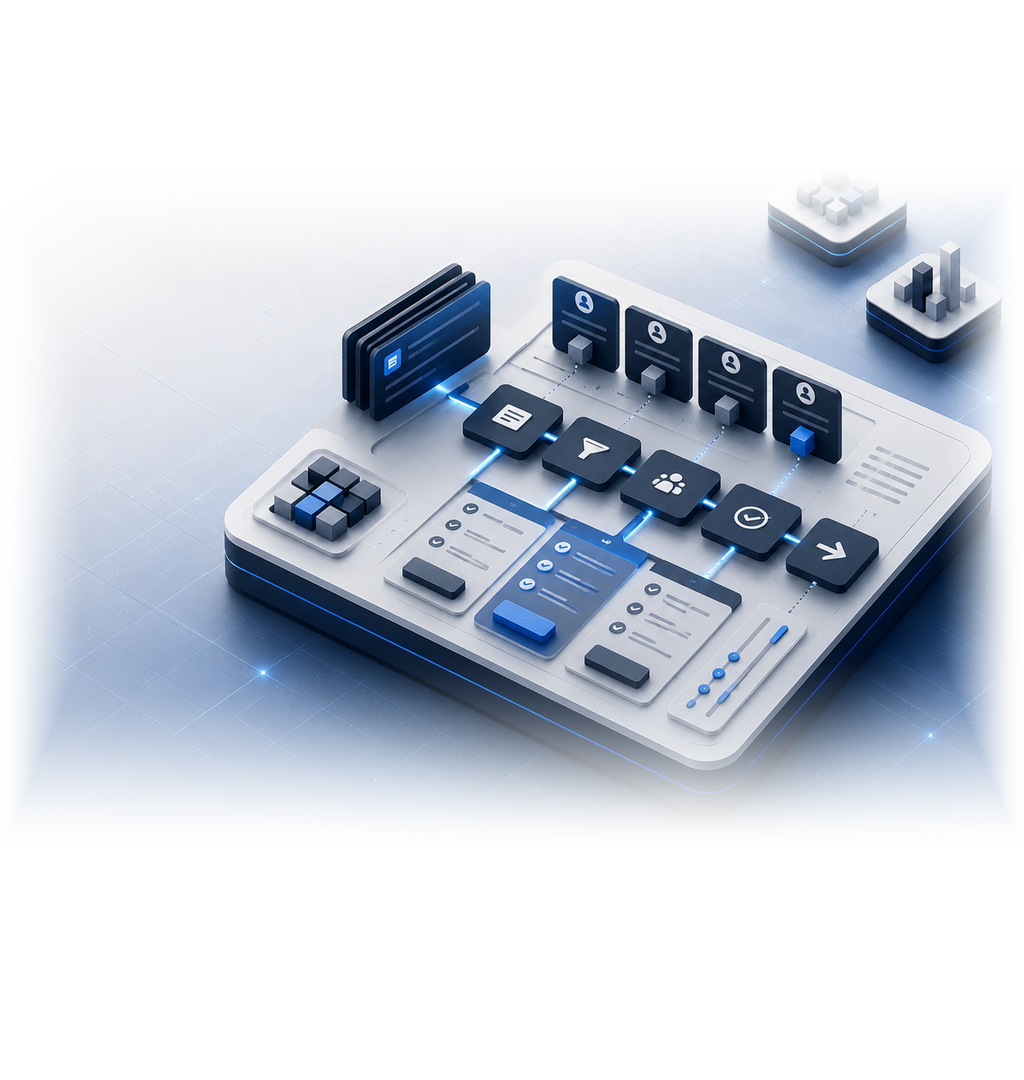
This service should feel like a recurring cadence rather than a one-time project: collect, update, review, act, track, stabilize.
Collect
Update
Review
Act
Track
Stabilize
Typical timeframe
This is a recurring engagement, not a fixed sprint.
Governance Entry Point is typically structured on a monthly basis, usually with a minimum commitment of 3 to 6 months.
Capacity can be scaled depending on how much governance, supplier coverage and tracking depth the client needs.
What this can lead into
Governance often becomes the layer that keeps broader procurement work sustainable.
It can support the continuation of sourcing and implementation work by keeping savings and supplier actions visible. It can also surface when a more targeted intervention is needed — for example a contract coverage sprint, a sourcing initiative, a resilience action or a policy clean-up.
Tell us what you need to solve.
A focused requirement is enough to start the conversation.
Whether you need supplier governance, contract upkeep, savings tracking or a more stable monthly procurement rhythm, Steg Procurement can help define the right retainer scope.